
Section
Malware And Phishing
Guides, explainers, and practical reads updated regularly.
All Articles
Perfect spelling is no longer a sign that an email is genuine
CISA now states plainly that some phishing emails have perfect grammar and spelling. Here are the signs that survived, and the one check that still…
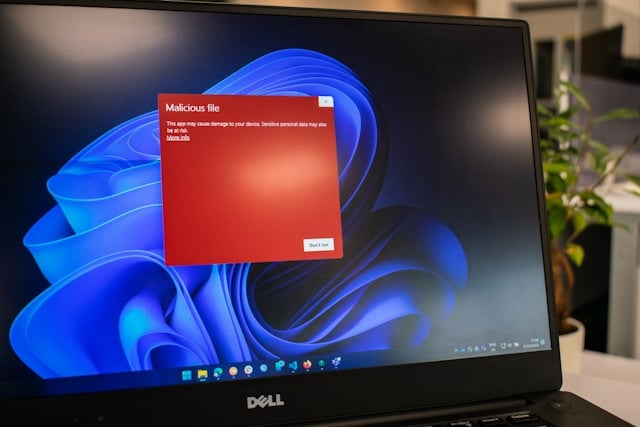
How a phishing email turns into malware on your machine
The pretext, the click, the symptoms and the clean-up — the sequence as the FTC and CISA describe it, with the three places to report…
Staff ransomware training versus the controls that do the work
Training helps at the margins. The #StopRansomware Guide names three technical controls first, and here is how to run both without confusing them.

How to check a link or attachment before you open it
Hovering over a link is not enough, and a padlock proves nothing. The checks CISA and the FBI actually recommend, in the order to do…

What phishing awareness training can and cannot change
No agency publishes a figure for how much training reduces real compromise. Here is what it plausibly does, and the controls that do not depend…

Signs a message carries malware, and signs it already ran
Two different lists: the indicators in the message itself, and the FTC's symptoms of a device that is already infected.

What ransomware recovery actually involves, step by step
The documented sequence: isolate, report, restore from offline backups, rebuild if needed — and why the FBI does not support paying.

Three checks that settle whether an email is real
A short, repeatable routine for suspicious messages: check the ask, check the address, then verify on a channel the sender did not choose.