Understanding the Trade-offs Between Usability and Online Data Protection Methods

The Importance of Balancing Usability and Data Protection
In today's digital age, safeguarding personal information online is more critical than ever. As we navigate through countless websites and applications daily, the risk of data breaches and identity theft grows. However, there exists an inherent tension between maintaining high levels of security and ensuring user-friendly experiences. This article aims to explore various methods of online data protection, including encryption tools and privacy-focused browser settings, while highlighting the inevitable trade-offs between convenience and security.
Encryption Tools: A Foundation for Online Security
What is Encryption?
Encryption is the process of converting data into a code to prevent unauthorized access. It serves as a fundamental building block for protecting sensitive information, ensuring that only those with the proper keys can decipher and read it.
Types of Encryption
- Symmetric Encryption: Uses a single key for both encryption and decryption. While it's fast and efficient, its primary drawback is the secure sharing of the key.
- Asymmetric Encryption: Involves a pair of keys—public and private. The public key encrypts data, while the private key decrypts it. This method enhances security at the cost of computational speed.
Practical Tools for Encryption
There are numerous tools available for users seeking to encrypt their data:
- VeraCrypt: An open-source disk encryption tool that provides on-the-fly encryption. It's ideal for encrypting entire partitions or storage devices but can be complex for beginners.
- Signal: A messaging app that uses end-to-end encryption to protect communications, offering a balance between security and usability.
- GnuPG (GPG): A versatile tool for file encryption and email communication, providing strong security but requiring a learning curve for effective use.
Privacy-Focused Browser Settings: Enhancing Online Privacy
Adjusting Default Browser Settings
Many web browsers offer settings that can significantly enhance your privacy:
- Disable Third-Party Cookies: Prevents tracking by advertisers but may disrupt certain website functionalities.
- Use 'Do Not Track': Signals websites not to track your browsing activity. Although compliance is voluntary, it's a simple step toward increased privacy.
Utilizing Privacy Extensions
Add-ons and extensions can further safeguard your online activities:
- uBlock Origin: Blocks unwanted content and trackers efficiently, improving page load times at the expense of occasional site incompatibility.
- HTTPS Everywhere: Automatically switches sites from HTTP to HTTPS, enhancing security but potentially leading to connection errors on poorly configured sites.
The Role of Privacy-Centric Browsers
Certain browsers are designed specifically with privacy in mind:
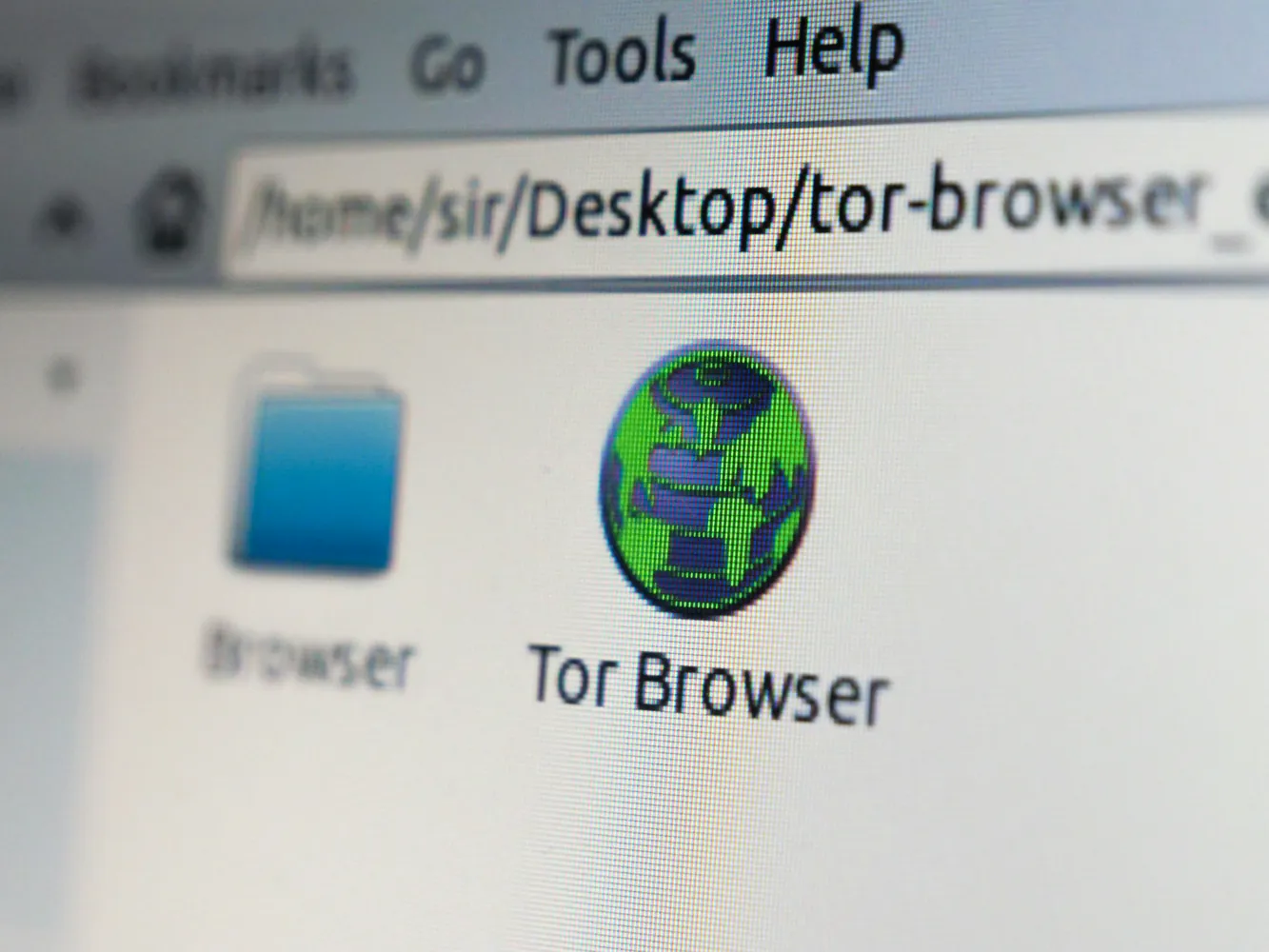
- Tor Browser: Routes traffic through a volunteer network of servers to anonymize user activities. While highly secure, it sacrifices speed and compatibility with some web services.
- Brave Browser: Blocks ads and trackers by default, rewarding users with cryptocurrency for opting into viewing ads. It offers a balanced approach but may not support all websites seamlessly.
The Trade-offs: Convenience vs. Security
While enhancing online privacy is crucial, these measures often come with trade-offs. Users must weigh the benefits of increased security against potential reductions in usability.
User Experience Considerations
Highly secure environments often lead to a more cumbersome user experience. For example, constantly entering strong passwords or using multi-factor authentication can be time-consuming but greatly reduces the risk of unauthorized access.
Impact on Performance
Implementing advanced security measures like Tor routing or robust encryption can impact system performance. Users need to decide if the trade-off is acceptable based on their specific needs and threat models.
A Cost-Benefit Analysis
The decision to adopt certain privacy tools involves assessing their costs and benefits:
- Simplicity vs. Security: While tools like Signal offer straightforward security enhancements, others like GnuPG require significant effort to master.
- Speed vs. Safety: Using VPNs or encrypted tunnels may slow internet speeds but provide essential protection against surveillance.
Navigating Personal Preferences and Needs
No one-size-fits-all solution exists for online privacy. Users should consider personal priorities, technical expertise, and specific risks when selecting tools and practices.
The Role of Education
Raising awareness about cybersecurity threats and solutions is pivotal in helping individuals make informed choices. Comprehensive guides and tutorials can bridge knowledge gaps and empower users.
The Future of Online Privacy
The landscape of online privacy is continually evolving. Emerging technologies such as AI-driven threat detection systems offer promising developments but pose new challenges in balancing effectiveness with usability.
Conclusion: Striking the Right Balance
Navigating the digital world requires a nuanced understanding of both usability and security in online data protection methods. By carefully choosing tools and adjusting settings according to individual needs, users can enhance their online privacy without sacrificing convenience entirely. As technology advances, staying informed and adaptable will remain key to safeguarding personal information effectively.