Strategies for Parents to Safeguard Children's Online Presence
Understanding the Importance of Online Privacy for Children
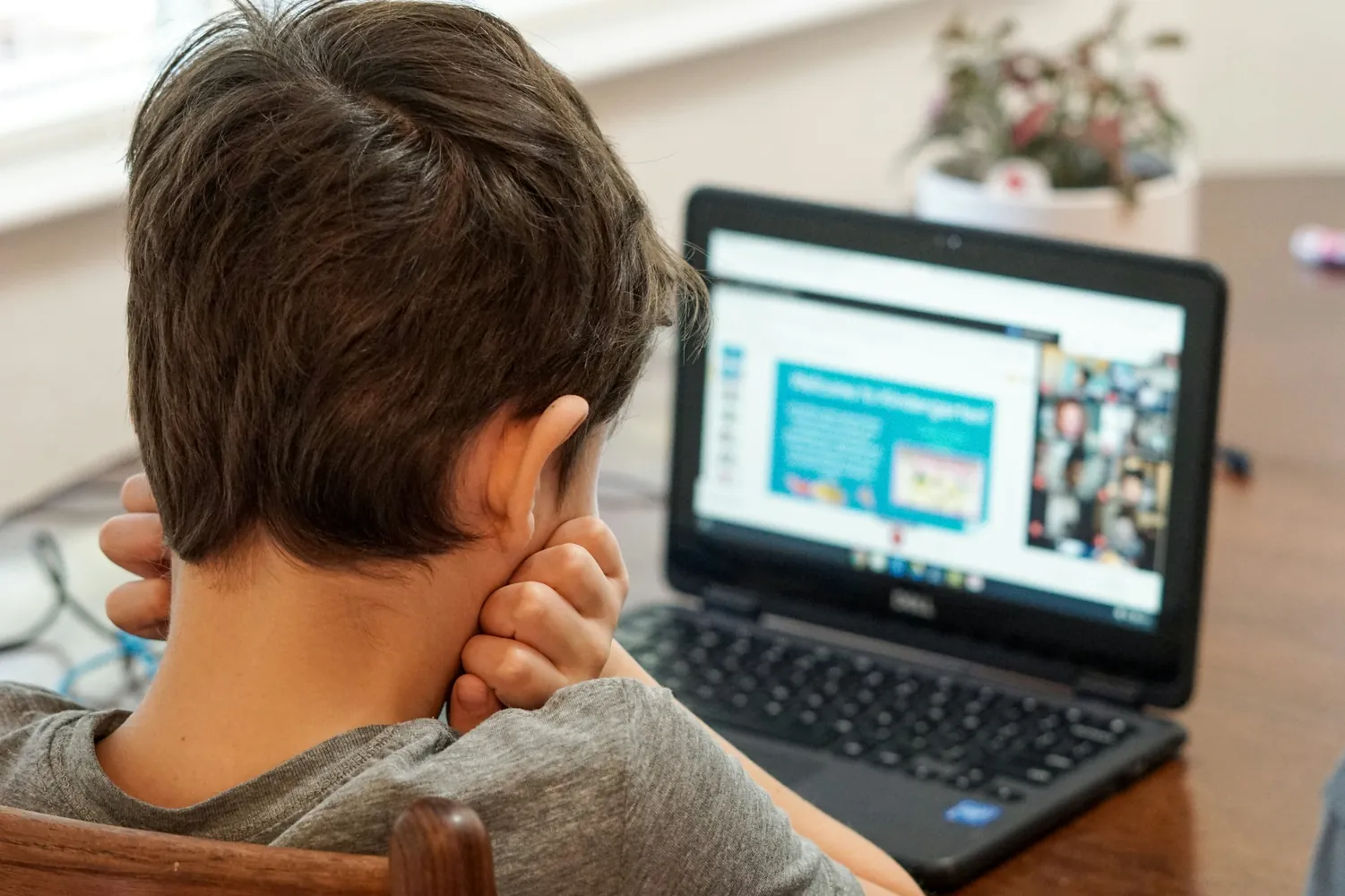
In today's digital world, children are increasingly becoming active participants on social media platforms, often without fully understanding the implications of their online actions. As parents, it is crucial to guide them towards safer practices and ensure their online presence is as secure as possible. By setting appropriate privacy settings and monitoring their online interactions, you can help protect their digital footprint from misuse.
Setting Up Privacy Controls on Social Media Accounts
The first step in safeguarding your child’s online presence is understanding how to configure the privacy settings on popular social media platforms. Each platform offers different levels of privacy control, which can be adjusted to limit who can see your child's information and interact with them.
Facebook: A Step-by-Step Guide
Facebook remains a popular platform among teenagers. Here’s how you can enhance privacy:
- Profile Visibility: Navigate to the settings menu and select 'Privacy'. Ensure that profile visibility is set to 'Friends only'. This restricts access to your child's profile to people they know.
- Tagging Settings: Under 'Timeline and Tagging', change the settings so that only your child or their friends can see tagged photos and posts.
- Friend Requests: In the same 'Privacy' section, adjust 'Who can send you friend requests?' to 'Friends of friends'. This reduces the chances of strangers trying to connect with your child.
Instagram: Enhancing Account Security
Instagram is highly visual, making it crucial to manage image and video exposure effectively:
- Private Account: By default, Instagram accounts are public. Encourage your child to switch their account to private through the account settings. This way, only approved followers can view their content.
- Photo Tagging: Access 'Tags' under the privacy settings and select 'Only Me' or 'People You Follow' to control who can tag your child in photos.
- Comments Control: Use the 'Comment Controls' feature to filter out unwanted comments, particularly those from users your child doesn’t know.
TikTok: Keeping Content Secure
TikTok has gained immense popularity among younger audiences. Here’s how you can keep your child’s TikTok experience safe:
- Private Account: Similar to Instagram, encourage the use of a private account. Go to settings and toggle on 'Private Account'.
- Duet and Stitch Options: Limit who can Duet or Stitch with your child's content by adjusting these options to 'Friends' or 'Off' within the privacy settings.
- Direct Messages: Consider restricting direct messaging to 'Friends' only or disabling it altogether if necessary.
Teaching Children About Responsible Online Behavior
While setting privacy controls is crucial, educating children about responsible online behavior is equally important. Understanding how their online activities may impact their privacy will empower them to make safer choices.
Encouraging Open Discussions
Create a comfortable environment for discussions about internet safety. Encourage your child to talk openly about their online experiences and any concerns they might have. This openness helps build trust and ensures they feel comfortable seeking guidance when needed.
The Role of Digital Footprints
Explain what a digital footprint is and how it can affect them long-term. Discuss how seemingly harmless posts today could be seen by future employers or colleges. Highlight the importance of thinking before sharing any information online.
The Balance Between Monitoring and Privacy
Finding a balance between monitoring your child’s activities and respecting their privacy can be challenging but essential. Trusting them while ensuring they are safe requires setting clear boundaries and consistent communication.
Using Parental Controls Effectively
Many social media platforms offer parental control tools that allow parents to monitor activity without being invasive. Familiarize yourself with these tools and adjust them according to your child's age and maturity level.
- Time Management Tools: Encourage healthy screen time habits by using features that limit daily usage.
- Content Filters: Implement filters that block inappropriate content from appearing in feeds.
Evolving Cyber Threats and Staying Informed
The digital landscape is continuously evolving, bringing new cybersecurity threats with it. Staying informed about these changes is vital for maintaining effective online safety strategies.
Keeping Updated on Privacy Practices
Regularly review privacy settings as social media platforms update their privacy policies often. Join parent-focused cybersecurity forums or groups that discuss the latest trends in digital safety, providing valuable insights into effective practices.
The Role of Cybersecurity Education
Participate in workshops or online courses on cybersecurity designed specifically for parents. These resources can equip you with advanced knowledge and practical skills to safeguard not just your child's, but also your family’s overall online security.
By implementing these strategies, parents can play a pivotal role in protecting their children's online presence while fostering an environment of trust and education. It involves more than just setting up initial controls; continuous dialogue and adaptation are key components in navigating the complex world of digital safety.