Essential Tips for Effective VPN Usage in Today’s Internet Environment
The Importance of VPNs in Modern Cybersecurity
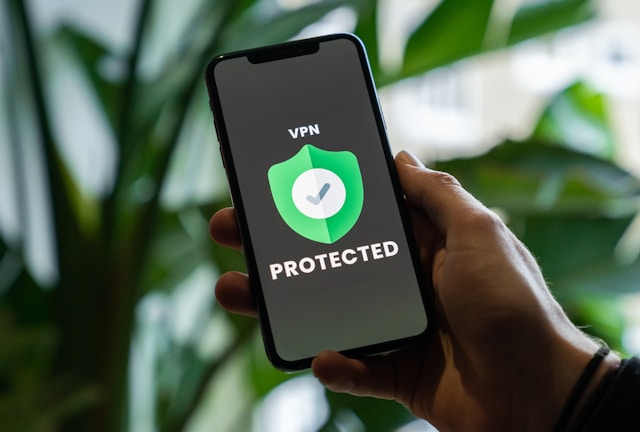
As the digital landscape grows increasingly interconnected, protecting your online privacy has never been more critical. Virtual Private Networks (VPNs) have emerged as essential tools for safeguarding internet activities, especially when using public Wi-Fi or accessing restricted content. By creating a secure tunnel between your device and the internet, VPNs help mask your IP address, encrypt data transfers, and keep your online footprint private.
Selecting the Right VPN for Your Needs
Choosing the right VPN service is pivotal to ensuring robust online privacy. Here are some key factors to consider:
Security Protocols
Look for VPNs that offer strong security protocols such as OpenVPN, IKEv2/IPSec, and WireGuard. These protocols offer a balance between speed and security, with OpenVPN being particularly revered for its open-source transparency and security.
No-Log Policies
Opt for a VPN provider that adheres to a strict no-log policy. This means that the provider does not store any data regarding your online activities, providing an extra layer of privacy. Reputable VPNs like NordVPN and ExpressVPN are known for their transparent privacy practices.
Server Locations
A vast network of servers across multiple countries can enhance your browsing experience by allowing you to access content from different regions. Additionally, having a selection of server locations can help distribute user load, maintaining fast connection speeds.
Device Compatibility
Ensure that the VPN service supports all your devices, including computers, smartphones, tablets, and routers. Many providers offer multi-platform support with apps that are easy to install and configure.
Configuring Your VPN for Optimal Privacy
Once you've chosen a VPN, proper configuration is crucial. Here’s how you can get started:
Setting Up on Different Devices
- Desktop: Install the VPN application, sign in, and select a server location. Opt for settings like 'Auto-connect' to ensure you are always protected.
- Mobile: Download the app from your app store, log in, and connect. Mobile apps usually provide straightforward interfaces with quick-connect options.
- Router: Configuring a VPN on your router ensures all devices connected to your Wi-Fi benefit from the VPN’s protection. Check if your router is compatible and follow the provider's guidelines for setup.
Tweaking Settings for Enhanced Security
Most VPN apps offer advanced settings that can further bolster your online privacy. Consider enabling features such as:
- Kill Switch: This feature cuts off internet access if the VPN connection drops unexpectedly, preventing accidental data exposure.
- DPI (Deep Packet Inspection) Bypass: Useful in restrictive networks, this setting helps bypass censorship by disguising VPN traffic as regular HTTPS traffic.
Practical Tips for Using a VPN Effectively
Employing a VPN is more than just installing software; it involves integrating it into your daily internet habits:
Avoiding Public Wi-Fi Pitfalls
Public Wi-Fi networks are notorious for being vulnerable to attacks like man-in-the-middle attacks. Always connect to a VPN when accessing such networks to encrypt your data and shield it from prying eyes.
Accessing Geo-Restricted Content
If you’re traveling or want to access region-specific content, use your VPN to switch your virtual location to the desired country. This can allow you to stream content or access services unavailable in your current region. However, note that some services may still block known VPN IP addresses, so experiment with different servers if you encounter issues.
Enhancing Browser Privacy
Combine your VPN with other privacy tools like ad blockers and privacy-focused browsers (e.g., Brave or Firefox) for additional layers of protection. These tools work together to reduce tracking cookies and advertisements that can compromise your privacy.
Understanding Potential Drawbacks and Trade-Offs
No technology is without its trade-offs. While using a VPN enhances security, there are some considerations to keep in mind:
Impact on Internet Speed
Routing your traffic through a VPN can slow down your internet connection due to encryption overhead and longer routing paths. To mitigate this, choose servers close to your physical location or select performance-optimized servers offered by some providers.
Legal Considerations
While using a VPN is legal in many countries, it’s essential to ensure compliance with local laws and regulations regarding VPN usage. In some regions, using a VPN to bypass government censorship can have legal consequences.
The Future of VPNs in Online Privacy
As digital threats evolve, so do the capabilities of VPNs. Emerging technologies like quantum computing could potentially disrupt traditional encryption methods, necessitating advancements in VPN protocols. Staying informed about these changes will ensure that you continue to enjoy secure and private online experiences.
Ultimately, effective use of a VPN can significantly enhance your online privacy. By choosing the right service and configuring it correctly, you can safeguard your digital footprint against numerous cyber threats in today’s dynamic internet environment.