
Navigating the Risks Associated with Urban Open Wireless Networks
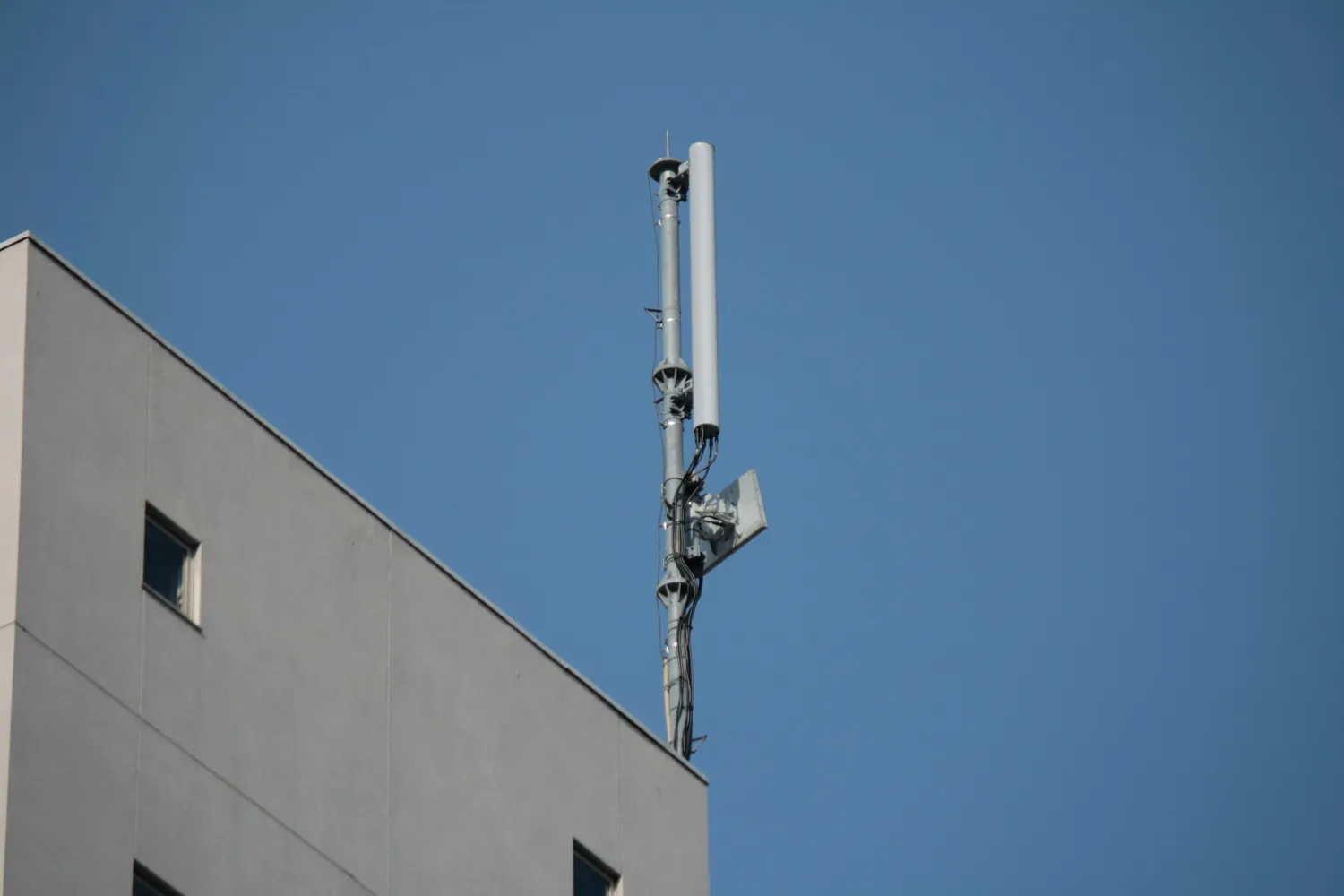
The Prevalence of Open Wi-Fi Networks in Urban Areas
In today's digital age, densely populated urban environments are saturated with open Wi-Fi networks. These networks, often found in cafes, libraries, parks, and even shopping centers, provide convenience and accessibility to the internet for residents and visitors alike. The allure of instant connectivity without the need for mobile data can be hard to resist.
According to recent studies, over 60% of urban public places offer some form of open Wi-Fi, and the number is rising as cities continue to expand their digital infrastructure. This widespread availability is both a boon for connectivity and a breeding ground for potential cybersecurity threats.
Understanding the Security Vulnerabilities
Open Wi-Fi networks, while convenient, pose significant security risks. The very nature of an unsecured network makes it susceptible to a variety of cyber threats. Without encryption, any data transmitted over these networks is exposed to interception by malicious actors.
Common Threats Associated with Open Networks
- Man-in-the-Middle (MitM) Attacks: Cybercriminals can intercept communications between your device and the internet, potentially capturing sensitive information like login credentials and personal data.
- Evil Twin Attacks: Hackers set up rogue hotspots mimicking legitimate open networks, tricking users into connecting and thereby gaining access to their data.
- Packet Sniffing: Tools are available that allow attackers to monitor and capture data packets being transmitted over a network, leading to potential data theft.
The Impact on User Privacy and Security
When using open Wi-Fi networks, personal data such as emails, banking information, and passwords can be exposed. This vulnerability extends beyond individual users; businesses can also suffer if employees connect to unsecured networks during business trips or remote work. According to security firm reports, nearly 25% of businesses experienced data breaches due to employee use of unsecured networks.
The Community Benefits of Open Wi-Fi
Despite the risks, open Wi-Fi networks offer several community benefits that cannot be overlooked. They provide essential internet access to those who might not otherwise afford it, supporting activities ranging from education to communication and entertainment.
Enhancing Digital Inclusion
Open Wi-Fi helps bridge the digital divide by providing internet access to underserved populations. In urban areas with high living costs, not everyone can afford personal internet connections. Publicly accessible networks ensure that all citizens have the opportunity to access information, engage in online learning, and utilize government services.
Supporting Local Businesses
For local businesses like cafes and restaurants, offering open Wi-Fi can attract customers looking for a space to work or relax while staying connected. It enhances customer satisfaction and can drive revenue through increased foot traffic.
Balancing Risks and Benefits: Practical Tips for Secure Usage
The key to safely navigating open Wi-Fi networks lies in understanding and mitigating the associated risks. Here are some practical tips for maintaining security while enjoying the benefits of open Wi-Fi:
Use a Virtual Private Network (VPN)
A VPN encrypts your internet traffic, making it more difficult for hackers to intercept your data. Even if you're on an open network, using a VPN can significantly enhance your online security.
Enable Two-Factor Authentication (2FA)
Implementing 2FA adds an additional layer of security by requiring a second form of verification before you can access your accounts. This can protect you even if your passwords are compromised on an open network.
Avoid Sensitive Transactions
Refrain from accessing sensitive accounts or conducting financial transactions over open Wi-Fi networks. If you must do so, ensure you're connected via a secure protocol (https) and verify the network's legitimacy.
Keep Your Software Updated
Regularly updating your device's software helps protect against vulnerabilities that cybercriminals could exploit. Ensure that your operating system, apps, and antivirus software are always up-to-date.
Disable Automatic Connections
Configure your device settings to prevent it from automatically connecting to open Wi-Fi networks. This gives you control over when and where you connect.
Conclusion: Navigating the Urban Wi-Fi Landscape
The proliferation of open wireless networks in urban settings presents both opportunities and challenges. While they democratize access to the digital world, they also expose users to significant cybersecurity risks. By understanding these risks and taking proactive measures, individuals and communities can enjoy the benefits of open Wi-Fi without compromising their security.