Making Informed Choices: Assessing the Need for WPA3 in Homes
Understanding Wireless Security Protocols: WPA2 vs. WPA3
In today's interconnected world, wireless security is a crucial aspect of safeguarding your digital life. Among the wireless security protocols, WPA2 and WPA3 stand out as key players, each offering distinct benefits and drawbacks. Understanding these differences is essential to making an informed choice about which protocol suits your home network needs best.
The Evolution from WPA2 to WPA3
Wi-Fi Protected Access (WPA) protocols have been the backbone of wireless security for many years. WPA2, introduced in 2004, replaced its predecessor, WPA, providing more robust encryption methods via Advanced Encryption Standard (AES). Despite its advancements, the rise in cyber threats has exposed vulnerabilities in WPA2, prompting the development of WPA3 in 2018.
WPA3 comes with enhanced security features designed to protect against modern threats, offering improvements in areas such as encryption strength and user authentication. However, understanding whether these enhancements are necessary for your specific setup requires a closer look at both protocols.
Key Differences Between WPA2 and WPA3
Improved Encryption
One of the most notable upgrades in WPA3 is its use of stronger encryption protocols. Unlike WPA2, which uses 128-bit encryption, WPA3 implements a 192-bit encryption method tailored for enterprise environments while standard devices benefit from enhanced 128-bit encryption with perfect forward secrecy.
This makes it significantly harder for attackers to decrypt traffic and access sensitive information. For homes concerned about data confidentiality, especially those conducting financial transactions over Wi-Fi, WPA3 offers a distinct advantage.
Simultaneous Authentication of Equals (SAE)
WPA3 introduces SAE, a secure key establishment protocol that replaces the Pre-Shared Key (PSK) method used by WPA2. SAE ensures that each session uses a unique key exchange process, rendering offline dictionary attacks virtually impossible.
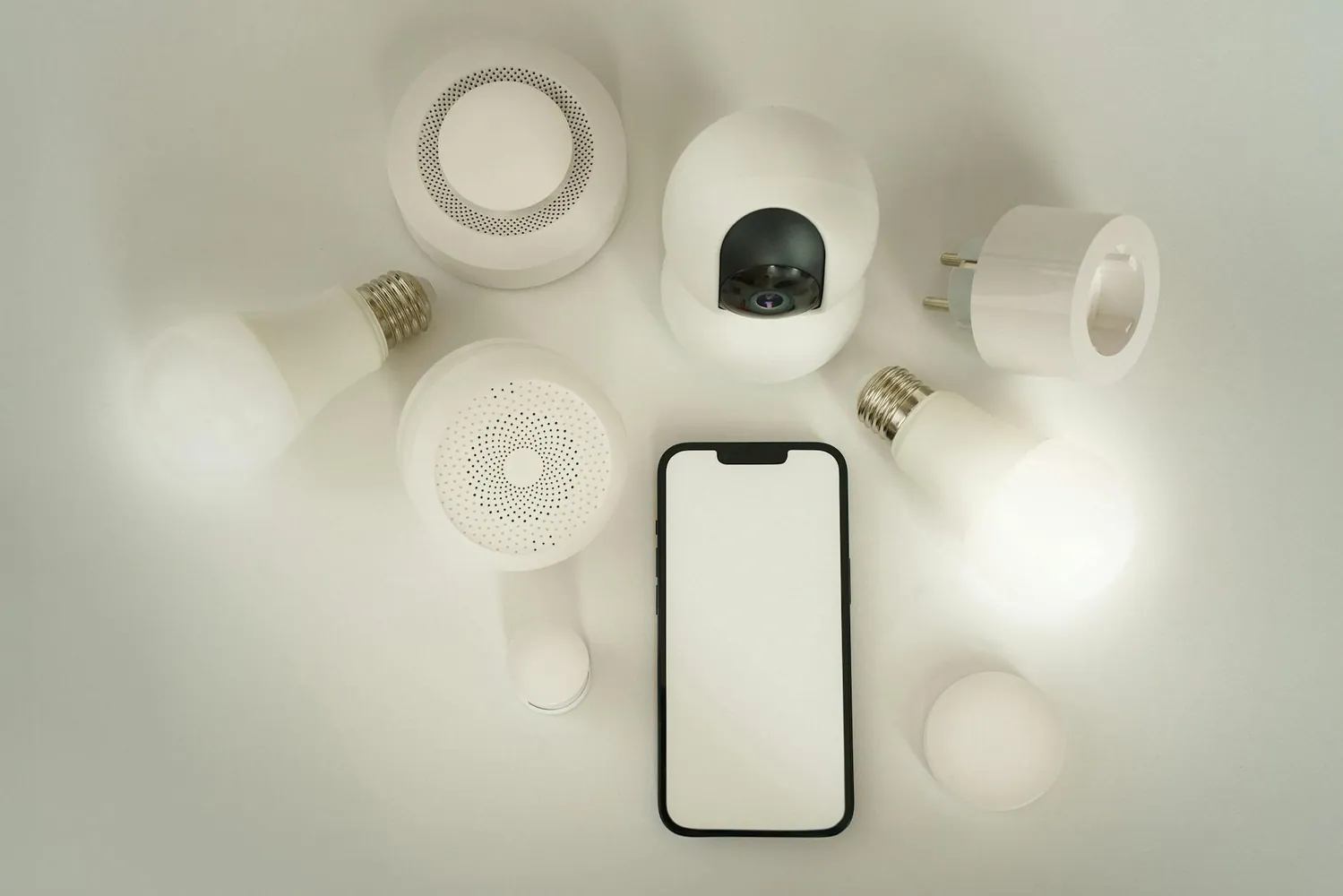
This enhancement is particularly beneficial in preventing unauthorized access attempts and is a crucial feature for households with high network traffic or numerous IoT devices.
Enhanced Open Wi-Fi Protection
Public networks often pose a challenge to security, as they are typically open and unencrypted. WPA3 addresses this issue through the addition of Opportunistic Wireless Encryption (OWE), providing individual data protection even on open networks.
While this feature is primarily aimed at public spaces like cafes or airports, it also benefits home users who frequently host guests needing temporary network access without compromising their own security.
Pros and Cons of WPA2 and WPA3
Pros of WPA2
- Widespread Compatibility: Since WPA2 has been the standard for over a decade, it is compatible with most existing devices, including older models that may not support newer protocols.
- Mature Technology: With years of usage comes stability. Most routers offer extensive support and troubleshooting options for WPA2-related issues.
Cons of WPA2
- Vulnerability to Attacks: Despite its encryption capabilities, WPA2 is susceptible to certain attacks like the KRACK exploit, which leverages weaknesses in its key exchange process.
Pros of WPA3
- Advanced Security Features: Enhanced encryption and SAE provide stronger defense mechanisms against modern attacks.
- Secure Public Wi-Fi Usage: OWE improves privacy when connected to public networks.
Cons of WPA3
- Lack of Device Support: As a relatively new technology, not all devices support WPA3. Users might need to upgrade their hardware, including routers and Wi-Fi adapters.
Making the Right Choice for Your Home
The decision between WPA2 and WPA3 hinges on several factors, including device compatibility, network usage patterns, and security priorities. Below are scenarios to guide you:
If Device Compatibility is Key
If your home network comprises older devices or equipment that doesn't support WPA3, sticking with WPA2 may be the pragmatic choice. Ensuring compatibility across all devices maintains seamless connectivity without requiring substantial hardware upgrades.
If Security is Paramount
For households placing a premium on security—perhaps due to sensitive work-from-home activities or extensive smart home systems—investing in WPA3-enabled devices could be wise. The additional security features provide peace of mind against evolving cyber threats.
Future-Proofing Your Network
The transition from WPA2 to WPA3 can be seen as part of a larger trend towards future-proofing home networks. With the Internet of Things (IoT) growing exponentially, ensuring your network can handle increased demand while keeping data secure becomes essential. While WPA2 still serves well today, adopting WPA3 might be a step towards long-term sustainability.
A practical approach could involve gradually upgrading hardware as new devices are acquired, opting for those that support both protocols to ease the transition without disruption.
Conclusion
The choice between WPA2 and WPA3 should reflect both current needs and future aspirations for network security. While WPA2 remains a capable option for many households, those looking to bolster their defenses against modern threats may find value in upgrading to WPA3. Ultimately, understanding the specific requirements and constraints of your home environment will guide you to the right decision.